April is Autism Acceptance Month
This space is designed with comfort and care in mind.


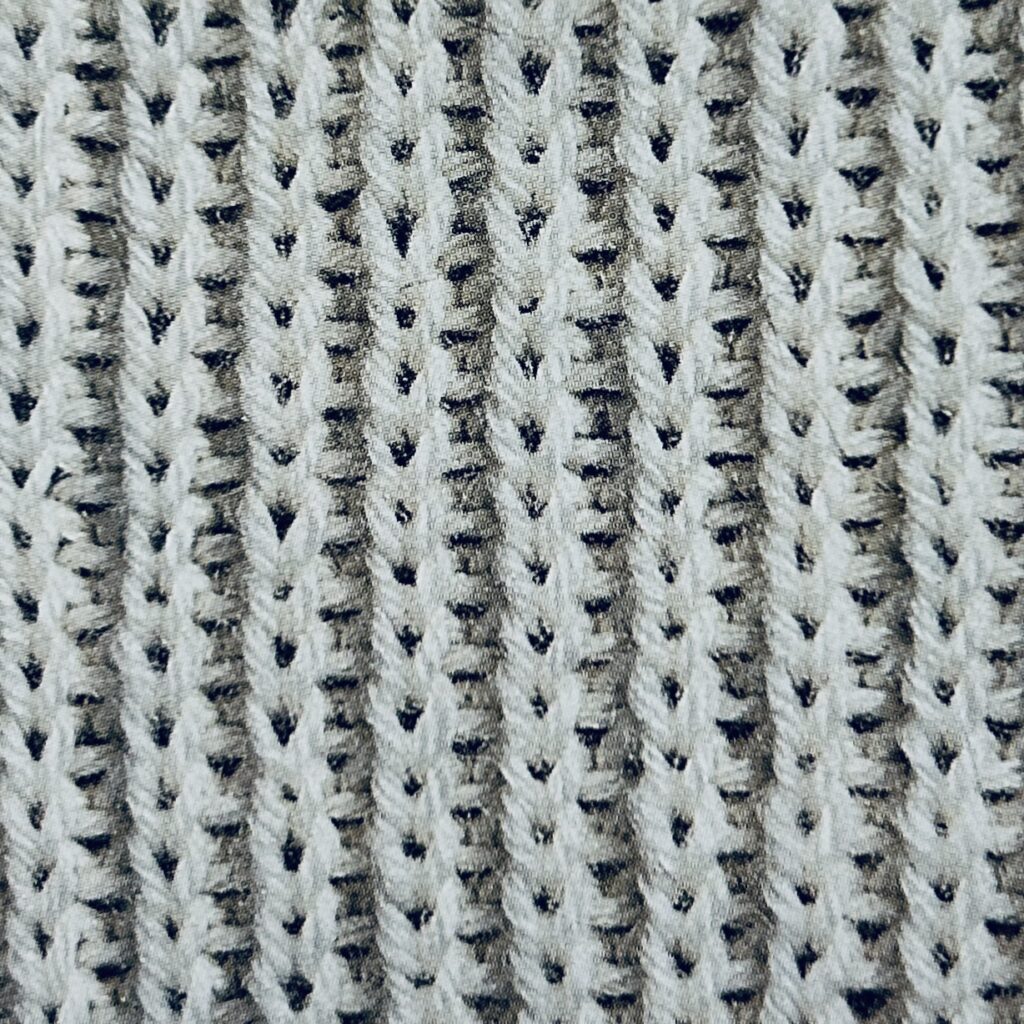
Why two techniques create the same fabric — and how to choose the one that works for you
If you’ve ever learned Fisherman’s Rib in one class and then opened a pattern or chart that looks completely different — you’re not imagining things.
Fisherman’s Rib can be worked using two different techniques. The stitches are formed differently, but the finished fabric looks nearly the same.
This is one of those places where knitting language gets fuzzy, especially across languages and traditions.
Let’s clear it up.
Fisherman’s Rib (knit one below) and Half Brioche / Halbpatent (slip + yarn over) are not the same technique — but they produce a nearly identical fabric. They’re structural cousins.
Both create:
This method works directly into the stitch from the previous row.

How it works
How to do it (knitting flat)
Fisherman’s Rib in the round:
Alternates k1/p1 with k1b/p1
Why knitters like it
This is the method many German and Nordic knitters learn first — and the one often shown in charts.


How it works
How to do it (Knit Flat)
Half Brioche in the round:
Alternates slip + YO rounds with working the paired stitches together
Notes:
Both methods:
That’s why you’ll often hear:
“Fisherman’s Rib, Half Brioche, Halbpatent — same thing.”
Visually? Almost.
Technically? Not quite.
Either.
Choose the method that:
If you already knit one version comfortably, there’s no reason to switch.
And if you’re learning for the first time, try both — even just as small swatches — and see which one clicks.
Origin:
Fisherman’s Rib / Halbpatent doesn’t have a single documented place of origin, but it’s a long-established European ribbing structure closely associated with cold-weather, working garments. Its widespread use across Germanic and Nordic regions reflects shared needs rather than a single source.
